


A New Hampshire town finds out its water has been contaminated by a chemical. The most basic question — whether the water is safe to drink — doesn’t have a clear answer. Nobody seems to know much about this so-called forever chemical, which is weird because… this has all happened before.
From the Document team at New Hampshire Public Radio, Safe to Drink is a four-part series about the water contamination story that keeps repeating in town after town — and about the people who fought for answers through a maze of chemistry, regulations, and illnesses.
Subscribe to Safe to Drink wherever you get your podcasts.
Need to find out if your water has PFAS? Click here to learn more.
-
 Raquel C. Zaldívar/New England News CollaborativeA New Hampshire town finds out its water has been contaminated by a “forever chemical.” The source appears to be the nearby Saint-Gobain plant. Officials say the potential health effects are unclear, but most people can still drink the water. One resident doesn’t buy it and goes down a research rabbit hole. She soon learns all this has happened before.
 -
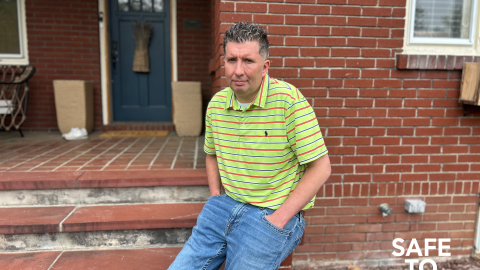 Mara Hoplamazian/NHPRWe go back in time to Hoosick Falls, New York where a man looks for answers after his father dies of cancer following his retirement from the local Saint-Gobain plant. What he finds changes the course of this whole story: a remarkable kind of chemical once used to help make the Atom Bomb that manufacturers knew could be dangerous for decades.
 -
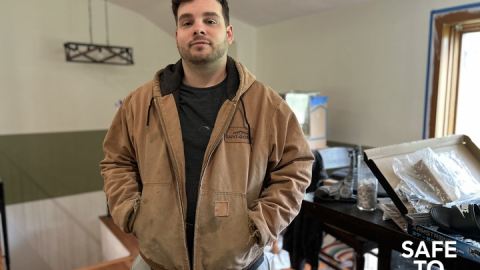 Mara Hoplamazian/NHPRFormer workers at Saint-Gobain’s New Hampshire plant share what they did — and didn’t — know about PFOA and its potential health effects. And how the chemical industry has worked to sow doubt to its own benefit.
 -
 Raquel C. Zaldivar/New England News CollaborativeWhen we’ve been exposed to something that could harm us, what are we supposed to do — as regulators, as doctors, as company executives, or as people just trying to live our lives?


The Team
Host, Lead Reporter: Mara Hoplamazian

My mission is to bring listeners directly to the people and places experiencing and responding to climate change in New Hampshire. I aim to use sounds, scenes, and clear, simple explanations of complex science and history to tell stories about how Granite Staters are managing ecological and social transitions that come with climate change. I also report on how people in positions of power are responding to our warmer, wetter state, and explain the forces limiting and driving mitigation and adaptation.
Producer, Co-Reporter, Original Music: Jason Moon

I make documentary podcast series for NHPR's Document team. I’m interested in high-stakes mysteries involving everyday people. Many of my stories are about lawsuits or criminal cases. I work in audio documentary because I think it is the best way to respect people’s stories.
Lead Editors: Daniela Allee & Katie Colaneri
Editing Help: Daniel Barrick, Rebecca Lavoie, Taylor Quimby, Lau Guzmán & Elena Eberwein
Fact-Checking: Dania Suleman
Photography: Raquel C. Zaldívar with the New England News Collaborative
Web Design: Sara Plourde
Artwork: Nate Hegyi


Locally produced, locally powered
Behind the headlines you read on our website, there’s a dedicated team of journalists working hard to bring you local news you can trust. On any given day, that can look like:
- • Reporters hustling to track down sources, get the facts and hold powerful officials accountable
- • Producers coordinating interviews with people who offer perspectives that go beyond soundbites
- • Editors carefully vetting our stories to make sure they’re accurate, fair and easy to follow
I believe that journalists, when we do our jobs well, can play a crucial role in connecting people and making communities stronger. But we can’t do this work without you.
Your donations, in any amount, can help keep independent journalism vibrant in New Hampshire — and accessible to everyone, no paywall required.

Sincerely,
Dan Barrick
News Director