

-
 Zoey Knox/NHPRAt the heart of the shutdown is a fight over health policy. In New Hampshire, marketplace experts are preparing people to expect higher health care premiums whether or not subsidies through the Affordable Care Act are extended.
 -
 NHPRFunding cuts have led organizations who help people find health insurance to cut staff and limit services, as premiums are expected to go up.


-
 Some New Hampshire doctors are concerned that the Trump administration's claims on Monday will cause confusion and anxiety for their patients.
 -
 Some women are having babies later in life, while others are forgoing motherhood altogether.
 -
 The hospital in Littleton, New Hampshire, has 25 beds and 500 employees. It is a Level III trauma certified center in the North Country.
 -
 Cheshire County EMS anticipates further strain on the system with federal funding cuts coming in January.
 -
 With inconsistent communication from the CDC about fall illnesses and vaccine guidelines, health professionals in New Hampshire are looking to outside agencies like WHO and the European CDC for guidance.
 -
 Doctors recommend that pregnant patients get the pertussis vaccine to protect newborns.
 -
 “I don’t care if it’s the Pope," the city's health director says. "If the Pope is pickling and selling from his house and happens to live in Manchester, we’d treat it the same way."
 -
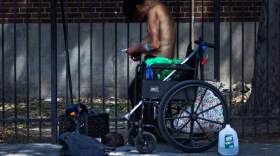 The practice of forcing people into treatment has gained national prominence in recent weeks after President Trump issued an executive order embracing the approach. In Boston's South End, fed up residents have called for similar moves.
 -
 Dartmouth Hitchcock Medical Center in Lebanon, New Hampshire, has begun another multimillion-dollar expansion of its five-story patient pavilion.
 -
 The Into Light Project opens in New Hampshire this week, and uses art and storytelling to honor the memories of people with substance use disorder and fight the stigma around addiction.


